
Monthly Archives: February 2026

Monthly Archives: February 2026

Chuan Park Price Outperforms Expectations in a Dynamic Financial and Crypto Investment Landscape

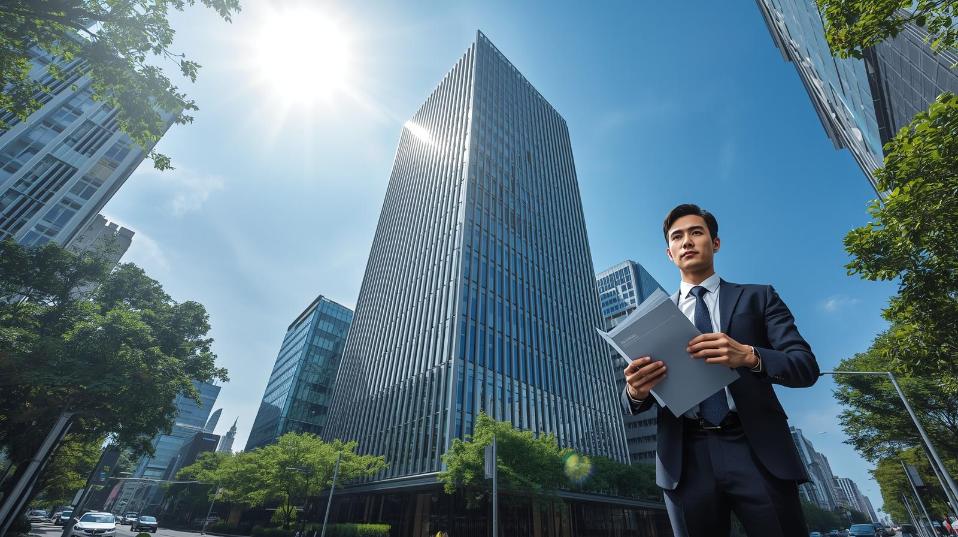
Sunlit luxurious condo exterior with confident investor reviewing documents amid city.

Investors and market watchers have noted the impressive Chuan Park price, as the anticipated Singapore condominium continued to perform well despite the volatility in the global financial and crypto market.

The Chuan Park price stands out, positioned in the Serangoon district along Lorong Chuan, which has direct MRT (Mass Rapid Transit) access. The project price has more than reasonable property fundamentals.

Rather, more and more potential customers view the project as a combination of traditional real estate value and growing digital finance.

Steady Demand Amid Broader Market Shifts

Chuan Park has consistently sold out due to high demand since its inception. The developers noted the price per square foot and other market indicators that reflect the average transaction levels.

Such behavior in turn sends a signal about the long-term potential of the project to appreciate in value.

Due to high inflation levels, rising interest rates, and a macroeconomic crisis affecting both the property and crypto markets, the steady performance of valuable real estate is highlighted.

The unique convergence of price momentum for Chuan Park and prevailing market conditions presents a strong case for investors looking for defensiveness.

Traditional financial portfolios have faced the greatest uncertainty in the last few years and are increasingly diversifying by allocating some of their resources to real estate as a hedge against inflationary and volatile swings in equities and digital currencies.

Chuan Park’s pricing resonates with the prevailing market conditions, showing how a strategically located, quality property can serve as the cornerstone to diversified investment portfolios during turbulent times.


ALSO READ: Leveraging Exness Broker for Smart Crypto Trading Decisions


Real Estate and Crypto Synergies

There may not seem to be a connection between real estate and cryptocurrency; however, a new category of investors has adopted a blended strategy, where they ‘cash in’ their crypto holdings and then deploy the proceeds to acquire a targeted piece of real estate.

Such a diversified strategy tends to reduce risk, especially given the sharp digital asset price swings.

Chuan Park serves as a prime example of this strategy, showcasing robust pricing, offering a stable asset amidst crypto market fluctuations, and enabling investors to reap the benefits of economic growth.

The development’s location in Singapore’s central business district provides it with a competitive advantage, serving as a bridge between real estate and financial innovation. It is easy to attract international capital for tier one assets with strong surrounding infrastructure and available amenities.

Assets with strong cash flow and appreciation potential become attractive to sophisticated investors, especially as more real estate investment products become available in digital formats.

Investor Confidence and Future Outlook

Chuan Park is attractive to end-users and investors, as it is strategically located next to a major transit station and within a short distance of schools, retail, and lifestyle amenities.

The data reveals a persistent confidence from diverse buyer cohorts, despite the broader market headwinds. This pricing resilience signals strong underlying attributes that justify the property’s role as a basis for diversified investments, including a real estate and crypto component, property, and finance.

The pricing performance of Chuan Park tells of a changing investor profile that is integrating innovative finance and new asset classes.

It similarly speaks of real underlying property fundamentals and tells of a growing confidence in the pricing of strategically located real estate assets, as the underlying cash flow is now being integrated with crypto assets and innovative finance.


Read More

Could Vela One Be Tokenized? Exploring Crypto Innovation in Residential Assets

Professional investor reviewing property data on a tablet

Real estate tokenization volumes have grown steadily over the past few years, with blockchain-based property offerings expanding across Asia, Europe, and the United States. Investors are now exploring how luxury residential projects could fit into this digital framework. As property tokenization gains traction, developments like Vela One, also known as Vela 1, are attracting interest from both traditional investors and the crypto community.

Positioned within Singapore’s highly anticipated Bayshore precinct, Vela one is expected to be a premium condominium development backed by an established developer. The project sits in an area earmarked for transformation under the Urban Redevelopment Authority’s long-term coastal plans. With strong transport links and future growth potential, it represents the type of stable, high-value asset that tokenization platforms often seek. The question is whether such a development could realistically be structured into a regulated digital investment product.

Understanding Tokenized Real Estate

Tokenized real estate converts ownership interests in property into digital tokens recorded on a blockchain. These tokens may represent shares in a holding company, units in a real estate fund, or fractional ownership of a specific asset. If you’re curious about how the costs and risks compare between blockchain assets and traditional property, a detailed crypto vs real estate investment costs comparison can help clarify the differences. Investors can buy and sell tokens through approved platforms, potentially improving liquidity compared to traditional property ownership.

Instead of purchasing an entire apartment, an investor might own a small percentage of a building’s income stream. Rental yields, capital gains, or development profits are distributed proportionally. Smart contracts automate certain processes, such as dividend payments or voting rights. However, the legal structure behind the tokens remains critical. The blockchain layer does not replace property law, it simply records and facilitates transactions.

Why a Luxury Condo Could Attract Token Interest

High-end residential projects often have strong branding, prime locations, and reputable developers. These factors help reduce perceived risk. A project like Vela 1 could appeal to digital investors seeking exposure to Singapore property without committing millions of dollars upfront.

Singapore’s residential market has long been viewed as resilient. Strict land supply management and transparent regulation contribute to price stability. For tokenization platforms, this stability matters. Investors in digital securities typically expect predictable returns and clear legal protection. A well-positioned Bayshore development could offer a compelling story, especially if structured as part of a diversified real estate portfolio rather than a single-unit offering.

Regulatory Considerations in Singapore

Any attempt to tokenize a residential asset in Singapore would fall under the oversight of the Monetary Authority of Singapore, commonly known as MAS. If tokens are structured as securities, they must comply with the Securities and Futures Act. Singapore has taken a balanced approach toward digital assets, allowing innovation through regulatory sandboxes while maintaining strict compliance standards. For a luxury condominium to be included in a tokenized offering, the structure must meet clear legal and regulatory requirements at both domestic and international levels.

  • Securities Classification: If tokens qualify as securities, they must comply with the Securities and Futures Act.
  • Licensing and Disclosure: Issuers and platform operators must meet licensing requirements and provide proper disclosures to investors.
  • Investor Restrictions: Certain offerings may be limited to accredited or institutional investors.
  • Legal Documentation: Clear legal structuring and audited financial statements are required.
  • AML and Suitability Checks: Anti-money laundering procedures and investor suitability assessments are mandatory.
  • Cross-Border Compliance: Marketing tokens overseas may trigger additional approvals in foreign jurisdictions.
  • Professional Advisory: Developers and fund managers need experienced legal advisors to structure compliant offerings.

Evaluating Yield, Utility, and Risk

Investors considering tokenized residential assets should look beyond the blockchain branding. The core questions remain the same as with any property investment.

  • Yield Source: Is the return based on rental income, capital appreciation, or development profit? Are projections conservative and supported by market data?
  • Legal Structure: Do tokens represent equity in a special purpose vehicle, or are they debt instruments? What rights do token holders actually have?
  • Liquidity Mechanism: Is there a regulated secondary market, or are transfers restricted?
  • Fees and Costs: Platform fees, management charges, and performance fees can affect net returns.
  • Developer Track Record: A reputable developer with completed projects reduces execution risk.

Utility can also matter. Some token projects offer perks such as priority booking, rental discounts, or access to exclusive events. These features may enhance appeal but should never replace sound financial fundamentals.

Challenges to Consider

Tokenizing a single residential development is more complex than tokenizing a diversified fund. Property values can fluctuate, and construction timelines may shift. If tokens are issued before completion, investors face development risk. If issued after completion, pricing must reflect prevailing market conditions.

There is also the question of market depth. Digital liquidity depends on active buyers and sellers. Without sufficient demand, token holders may still face holding periods similar to traditional real estate. Technology can improve access, yet it cannot guarantee trading volume.

The Future of Digital Property Investment

Real estate tokenization is evolving from experimental pilots to regulated offerings. Institutional players are exploring digital securities tied to office buildings, warehouses, and residential portfolios. Singapore’s strong legal framework makes it a logical testing ground for high-quality projects.

For a luxury development like Vela One to be tokenized successfully, the structure would need to align with MAS rules, provide transparent reporting, and deliver credible yield expectations. If those elements are in place, digital investors may gain fractional exposure to prime Singapore property in a more flexible format.

Ultimately, whether Vela One becomes part of a tokenized offering depends on market demand, regulatory clarity, and developer strategy. Blockchain can enhance access and efficiency, yet the fundamentals of property investing remain unchanged. Location, quality, governance, and compliance still drive long-term value.

Read More

  • 𐌢